FREE BONUS ISSUE! Interviewing the team behind "Wishing Upon the Shooting Stars"
Actors Jed Chung and Chu Meng-Hsuan join director Ray Jiang and producer Sammi Pan to talk about their Taiwanese BL.

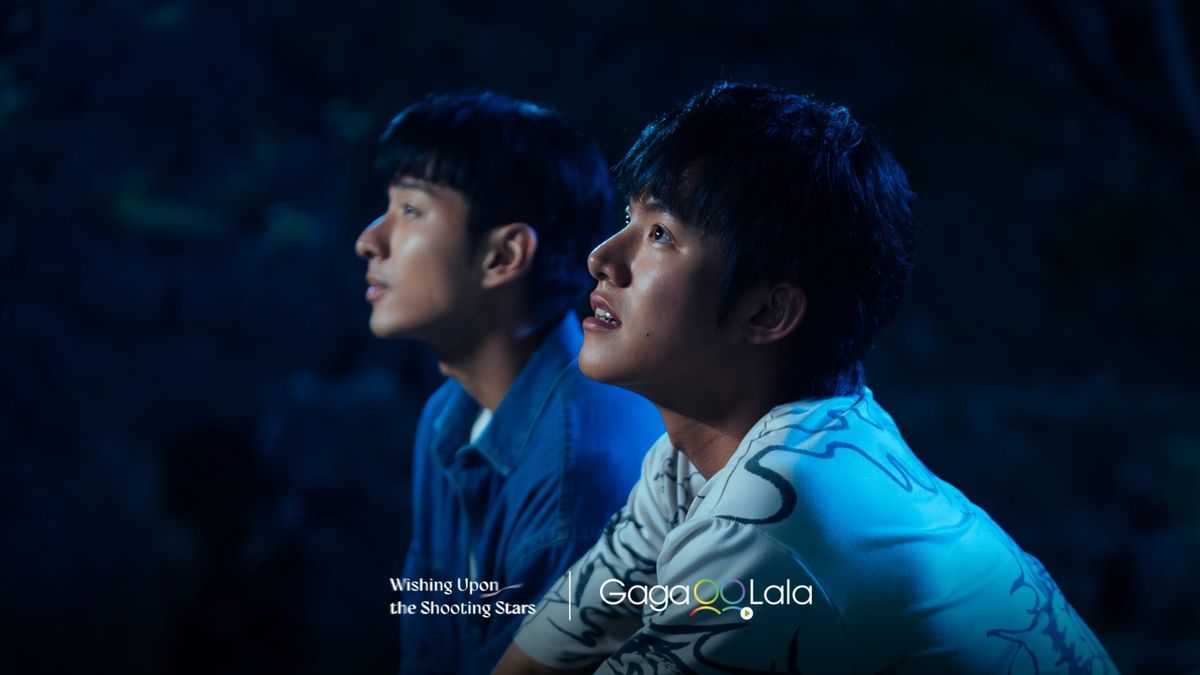
Is it Christmas already? No, but I'm here in your inbox with an extra gift regardless.
Wishing Upon the Shooting Stars is a sweet, whimsical BL from Taiwan that's easily going to end up being one of my faves this year.
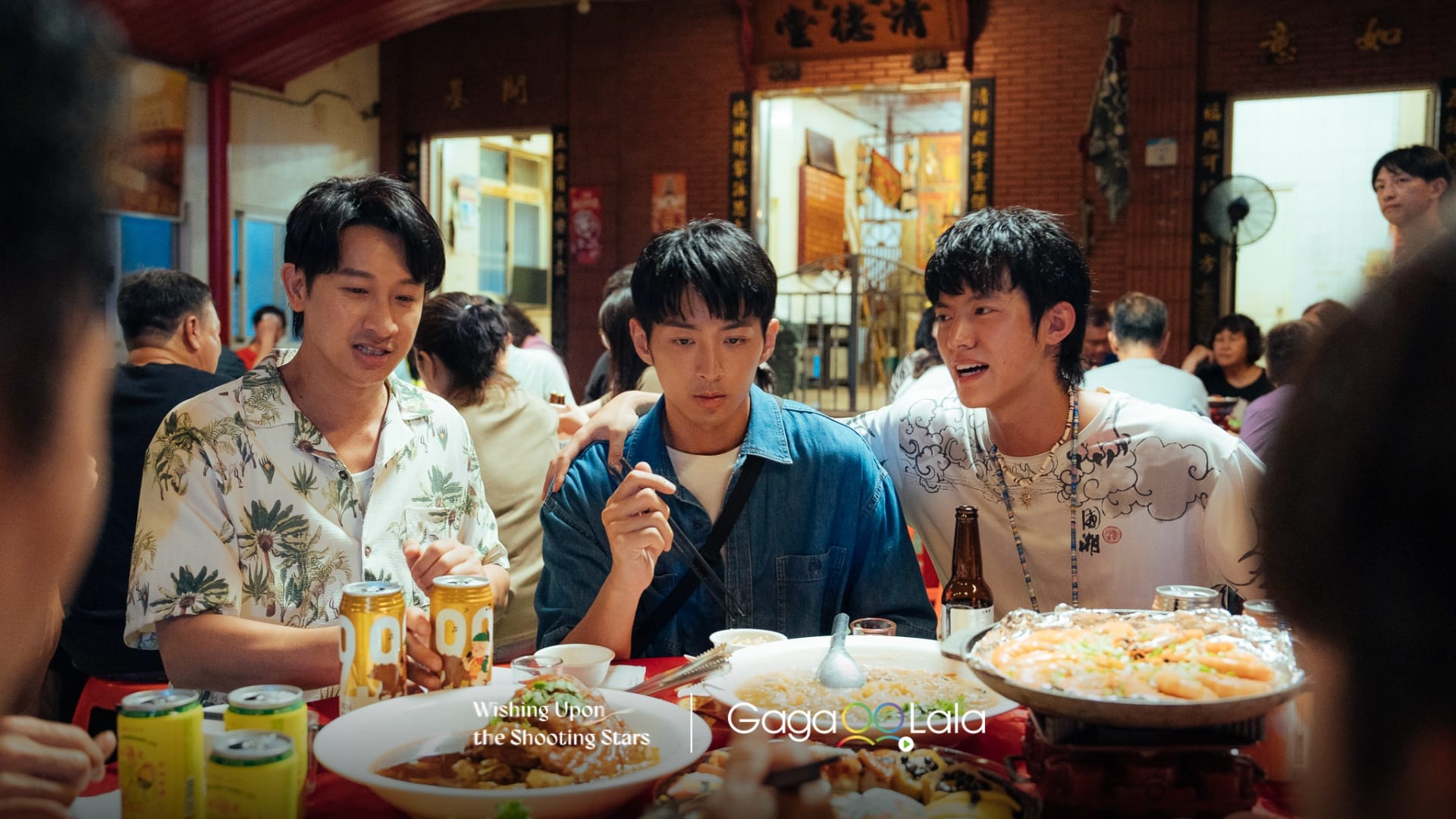
The series stars Jed Chung and Chu Meng-Hsuan as star-crossed lovers, quite literally, who meet on Xingpu Island.
Watch the trailer below:
Beaten down by life and gestures vaguely at everything, Xian Yong wishes on a shooting star to disappear. And it works! Kinda.
The next morning, he wakes up as someone else — a young man named Xiao You. No one remembers who Xian Yong used to be except for his best friend.
That's when his longtime crush, Hao Wei, suddenly returns to the island and finds himself inexplicably drawn to Xiao You.
When shooting stars streak across the sky once more, the pair have a big decision to make that cannot be undone.
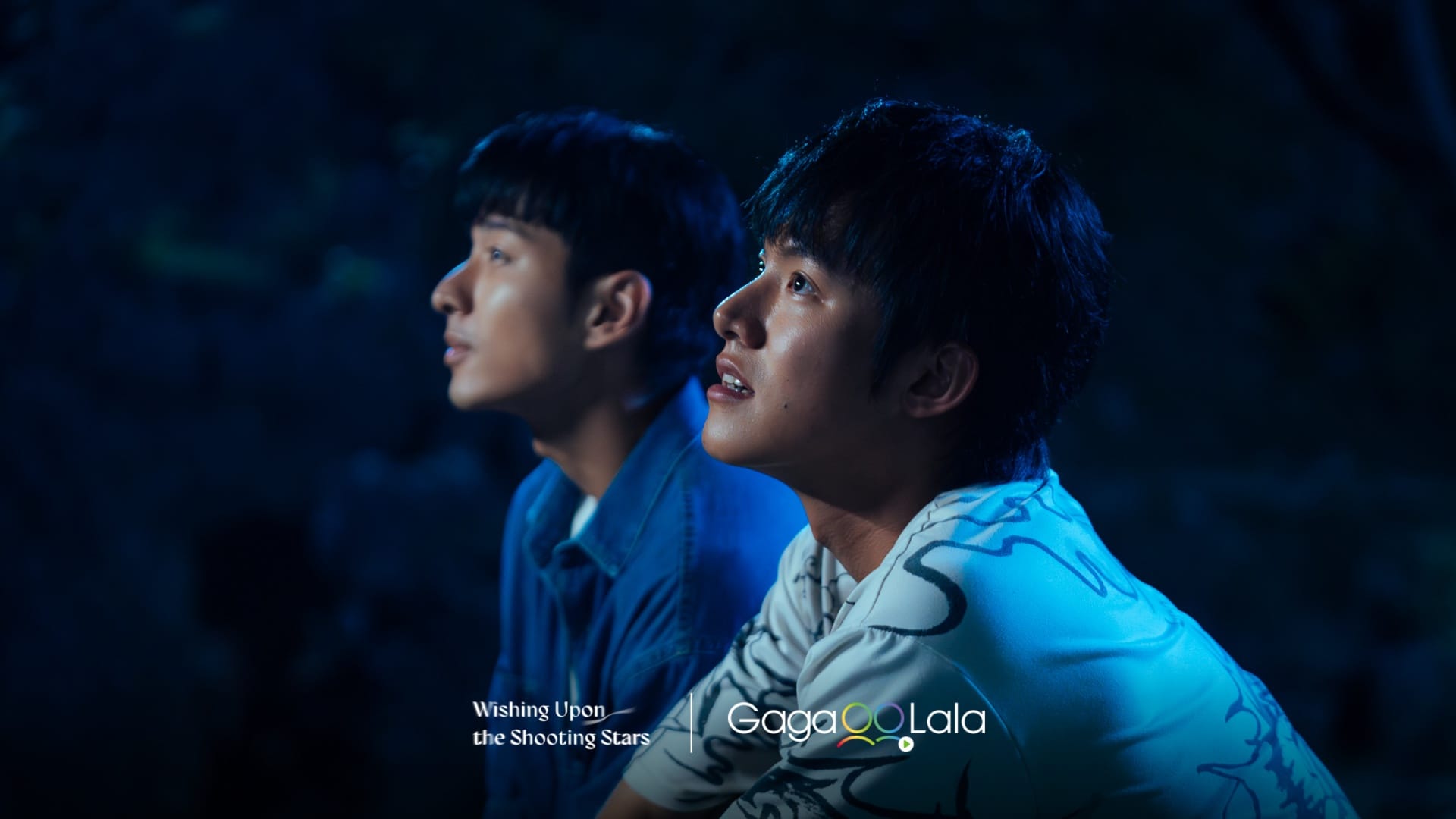
What will they choose? We won't find out until the series finale airs June 4th on GagaOOLala. But in the meantime, Cruising Cinema is delighted to share an interview with the cast and crew of Wishing Upon the Shooting Stars below.
Before that though, please consider some shameless self-promotion and subscribe to the paid tier of Cruising Cinema today.
Beyond Friday's free newsletter, you can access a gazillion extras in the paid newsletter every Tuesday that also includes a 30 minute Zoom chat for all paying readers 🚨.
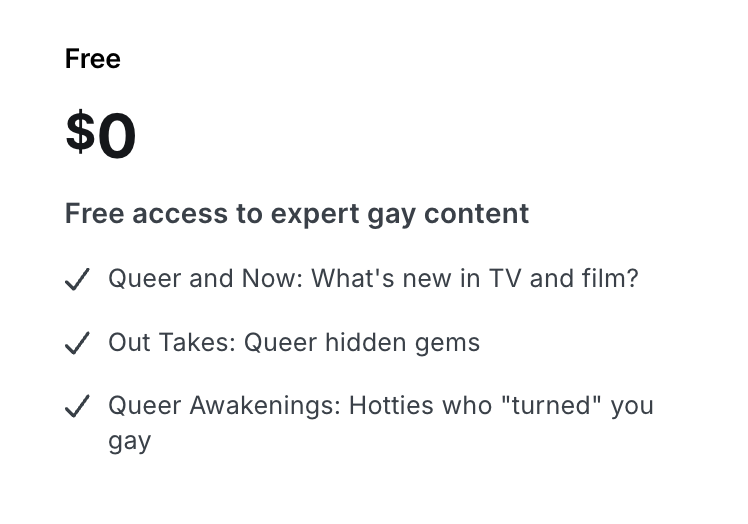
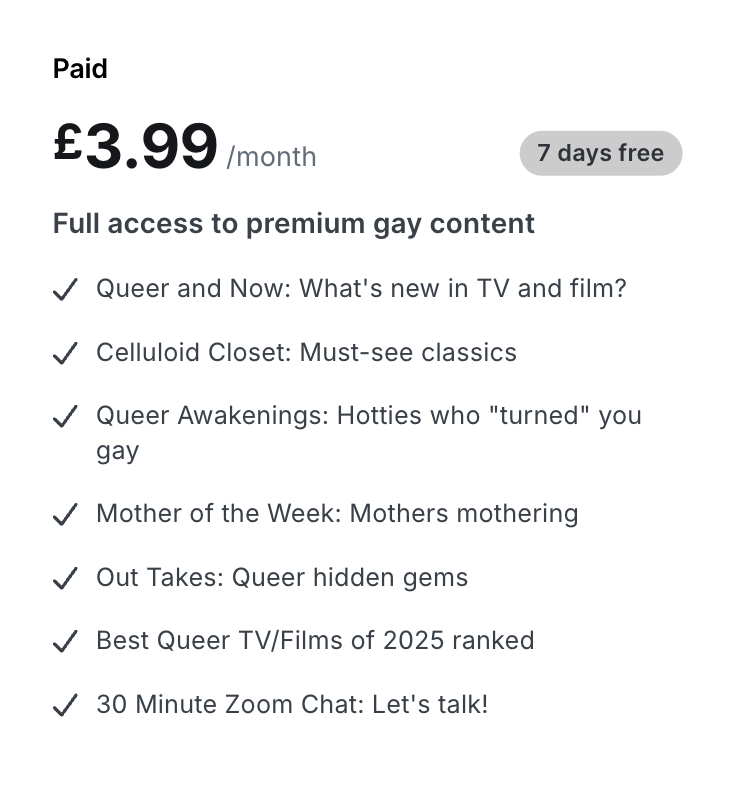
Want tips on how to get into journalism? Want to chat about your favourite movies? Or do you just want to talk about your favourite episode of Wishing Upon A Shooting Star?
Paying subscribers old and new can email me and we'll book in a slot together - cruisingcinema7@gmail.com.
Plus you can now give a Cruising Cinema subscription as a gift to the gay in your life who's tough to buy for. Birthdays, Christmas, Daddy's Day... the possibilities are endless! 👇🏻
So what are you waiting for? Sign up heeeeeeeeeeeeeere for a monthly or annual subscription to receive the gayest version of Cruising Cinema. In turn, you'll receive my undying gratitude and the horniest GIFs known to man.

Upgrade to paid.
The full newsletter straight to your inbox
And if you're paying already? Thank you. You're a diva. You're an icon. You are the moment.
Queer Talk
Chatting to the faves behind your favourite shows.
Part 1 | Director Ray Jiang
In Wishing Upon the Shooting Stars, identity is never fixed. It can vanish, transfer, or even be rewritten. Do you think this reflects how our generation, especially those who grew up online, experiences identity?
Ray Jiang: I think the show does reflect the reality that modern people can easily be one person in real life and someone entirely different behind a keyboard. Sometimes we dislike our true selves and fantasise about being someone else, convinced that not being who we really are would somehow be better. But when you actually hide behind a screen, all you are really doing is releasing certain inner desires. That is not the whole you.
So when I was developing this character and this script, the idea that people of the internet generation carry multiple identities was something that could help audiences quickly grasp what the act of wishing in Wishing Upon the Shooting Stars truly means.
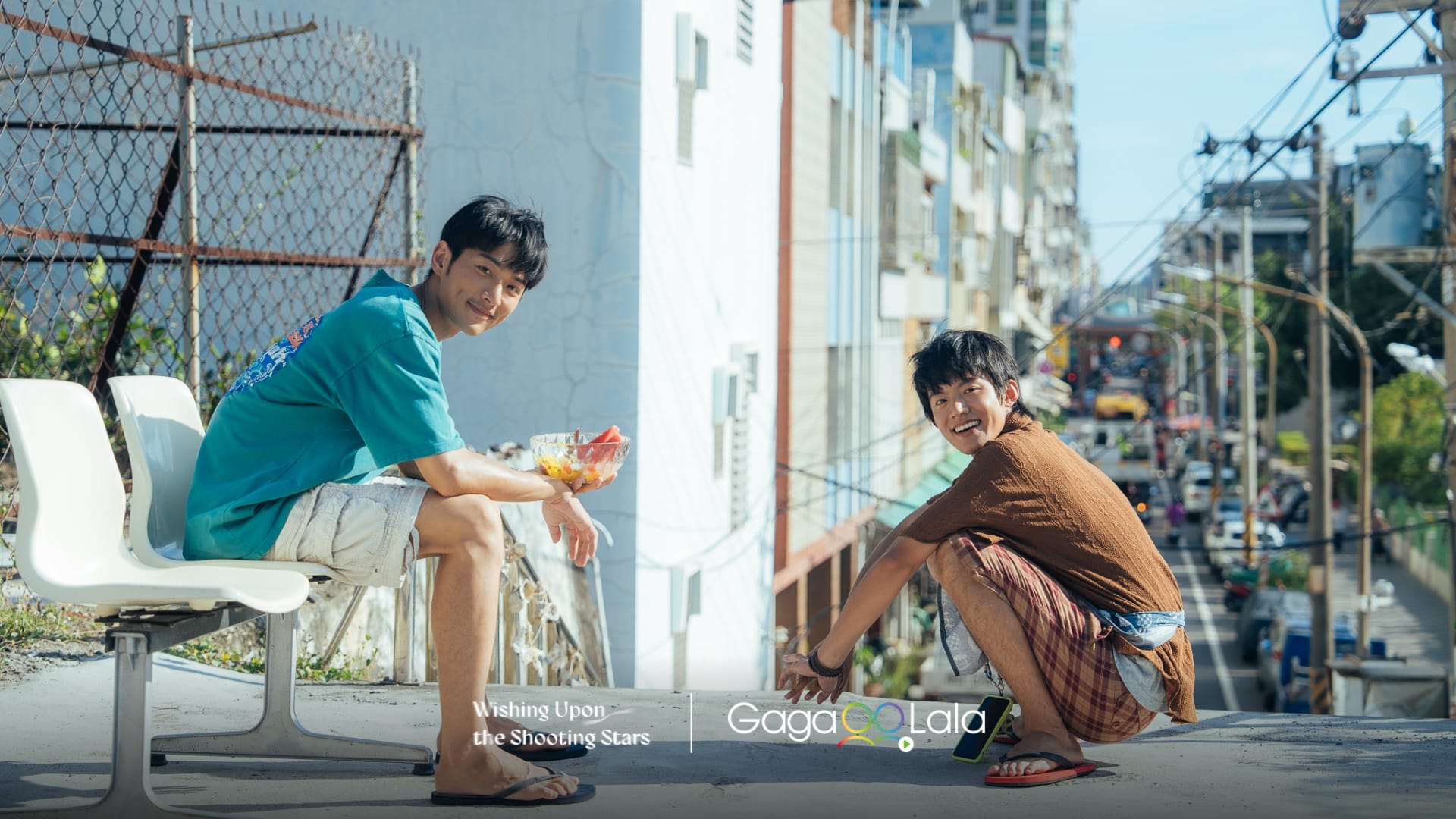
BL stories are often labeled as 'romantic,' but this series feels more like a head-on confrontation with loneliness and desire. Do you think BL dramas are evolving from pure fantasy into something more emotionally honest?
RJ: I never thought of BL as purely fantasy to begin with. These stories may well reflect experiences that actually exist in some viewers' lives, or processes they have genuinely been through. It is just that in earlier BL works, these emotions tended to be presented in sweeter ways. But human emotions are sweet, salty, bitter, and spicy all at once. In BL, we have leaned heavily into the joyful side and rarely explored the pain.
So I believe this has always been a work that faces emotions honestly. The difference is simply how you choose to tell the story. You can narrate the same experience in a heartbreaking tone or a joyful one. It is a matter of approach.
The story constantly pulls between reality and miracles. If you had to choose like the characters do, would you rather live in a painful truth or embrace a comforting illusion?
RJ: If I could choose the way the characters do, I would rather live in the truth. When we try to embrace someone through deception, even with the kindest of intentions, it is still a lie. If I had the choice, I would want to know the truth, because being kept in the dark or being deceived is a deeply unpleasant feeling.
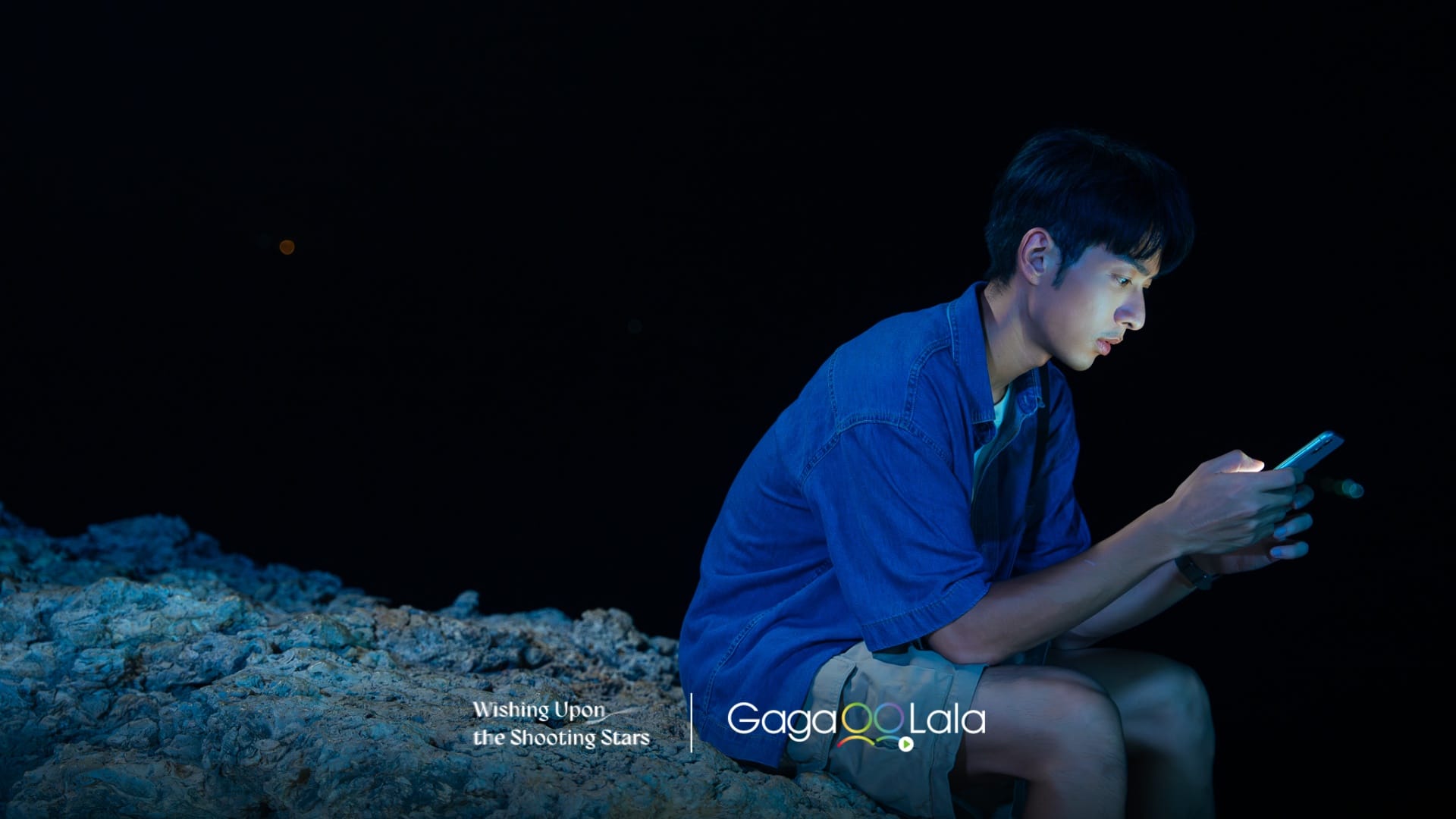
While directing this series, how did you guide the actors into their roles, especially in scenes that required intense emotional depth?
RJ: I think the most important key to guiding actors is trust. Once actors and their director reach a certain level of trust, they feel at ease with your direction. I also make sure to explain why I need them to do something a certain way, whether it is about what we want to convey in the series or what kind of emotional buildup a character requires for the audience to see and understand.
Sometimes we worry about over-explaining and boring the audience, but we also worry that saying too little will leave them unable to grasp the point. So it really comes down to trust.
In the early stages, it takes constant communication and repeated discussion with the actors. I often start by simply being their friend. I want them to feel free of the pressure of 'performing a role' and instead enjoy the creative process. That way, actors naturally draw on their own real emotions and apply them to the character. I find this approach helps them inhabit their roles and bring out something truly distinctive.
Upgrade to paid.
The full newsletter straight to your inbox
Part 2 | Producer Sammi Pan
In Wishing Upon the Shooting Stars, identity is never fixed. It can vanish, transfer, or even be rewritten. Do you think this reflects how our generation, especially those who grew up online, experiences identity?
Sammi Pan: In today's hyper-connected digital world, identity is no longer a fixed label. Online, identity can be edited, switched, and even rebooted at any moment. We move between different accounts and communities, and while this flexibility gives us the power of choice, it also raises a profound question: who is the real me?
In Wishing Upon the Shooting Stars, the fantasy premise drives the disappearance and transference of identity. When we are forced to shed every external definition, label, and social construct, what remains at the core of our soul? If you could reboot your identity, what would you choose?
This is precisely what we wanted to explore through this series: the process of rediscovering oneself in a world where reality and illusion constantly intertwine.
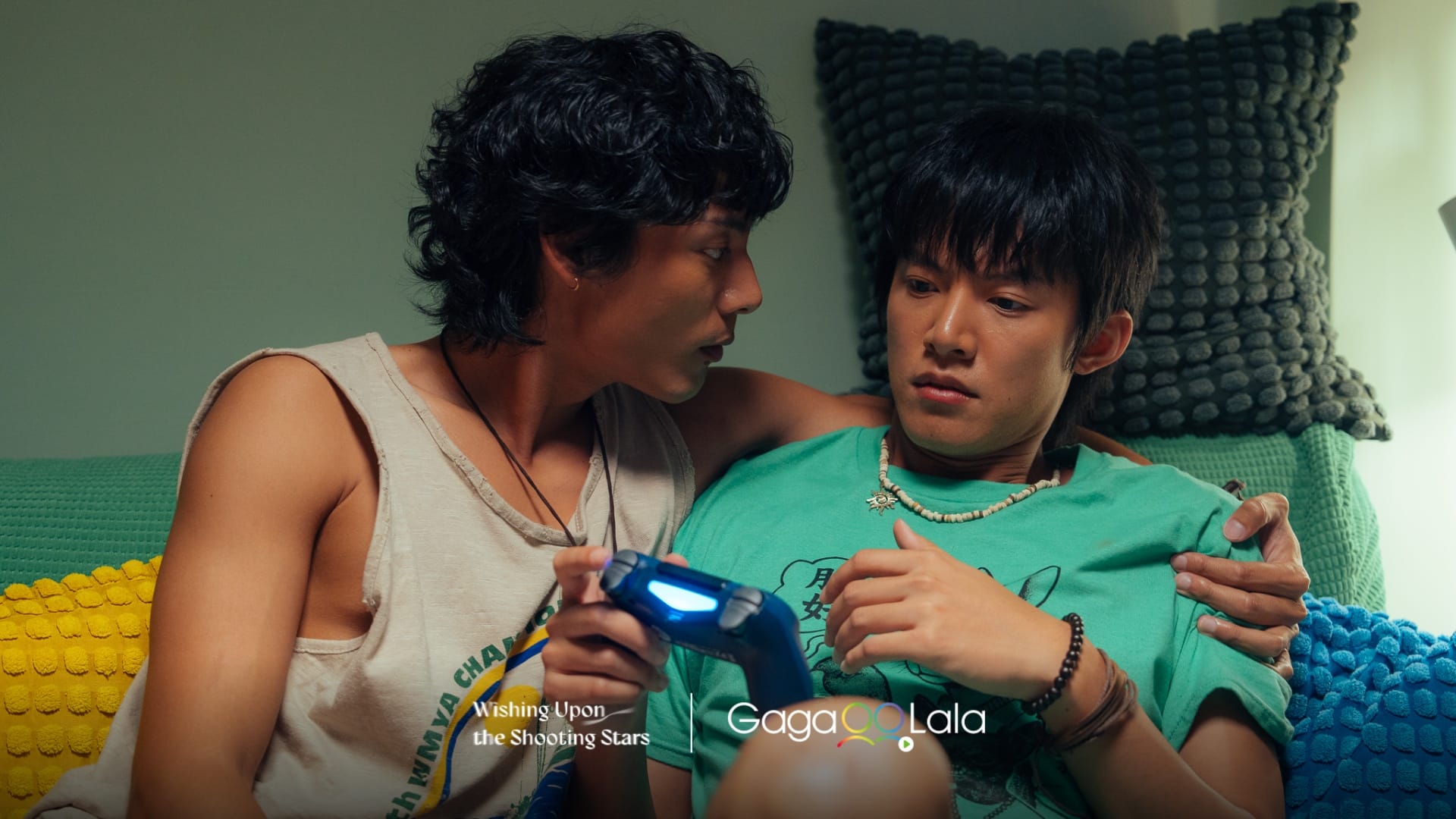
BL stories are often labeled as 'romantic,' but this series feels more like a head-on confrontation with loneliness and desire. Do you think BL dramas are evolving from pure fantasy into something more emotionally honest?
SP: In recent years, a growing number of BL series have prioritised character development, moving beyond singular romantic narratives to address self-identity, fear of the future, and the struggles and choices within relationships.
In Wishing Upon the Shooting Stars, we let the characters face those moments that are not romantic at all. When someone truly confronts the emotions within, those feelings can sometimes draw you closer to yourself, and sometimes leave you even more lost.
To me, rather than saying BL has evolved from fantasy to reality, I would say the genre is gradually expanding the emotional range it can carry. It can still be romantic, but it can also be vulnerable, contradictory, and even uncomfortably raw. It is precisely this complexity and imperfection that gives these stories their powerful vitality.
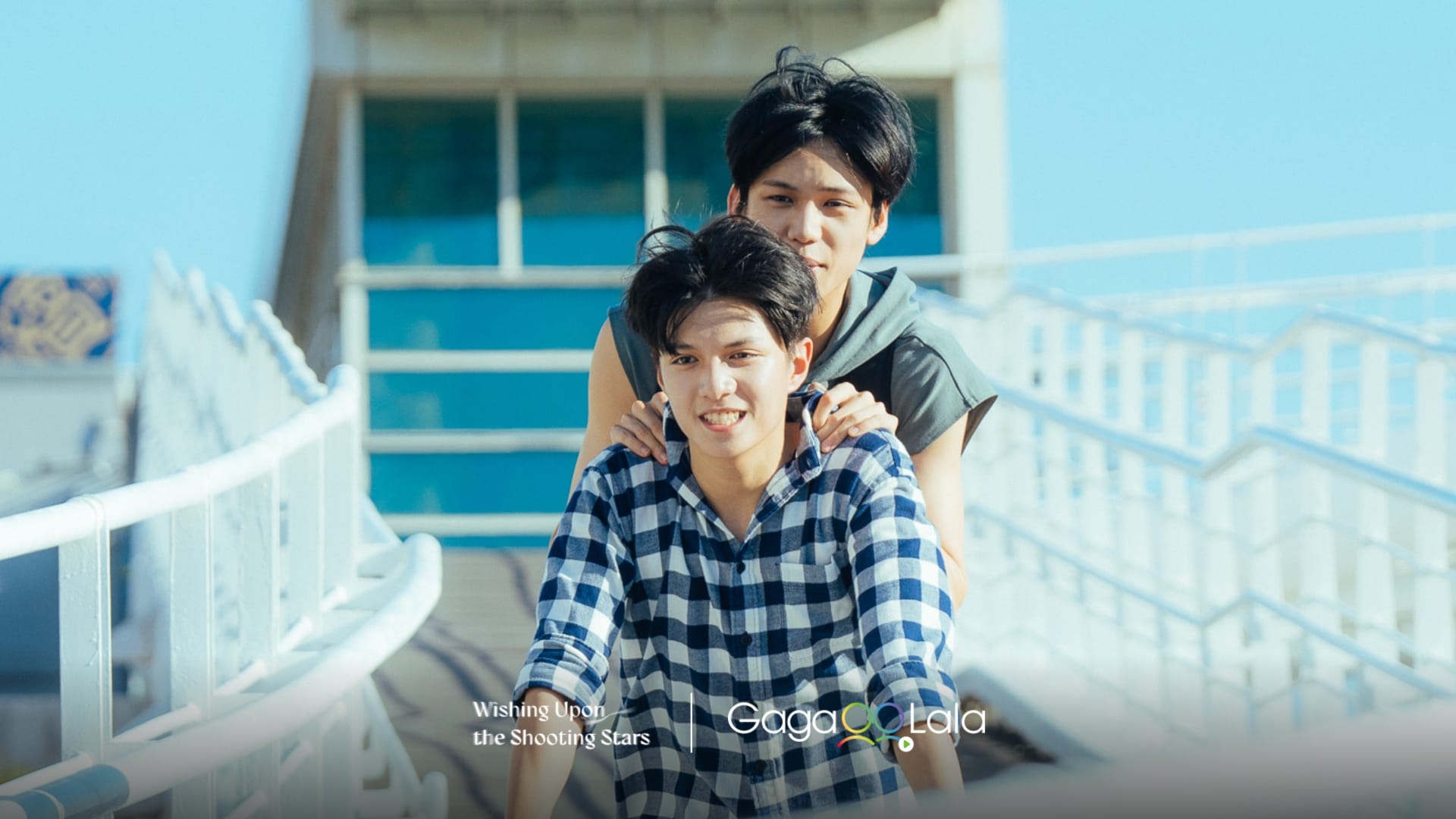
The story constantly pulls between reality and miracles. If you had to choose like the characters do, would you rather live in a painful truth or embrace a comforting illusion?
SP: This is a cruel yet deeply fascinating question, and it touches on what first inspired me to create for the screen. If I had to choose, I would choose to live in the painful truth, but never give up on creating comforting illusions.
The truth is often painful and hard to face, yet people possess a kind of superpower and resilience that allows them to create miracles strong enough to sustain one another, even amid painful realities. Truth keeps us awake. Illusion gives us the courage to keep going.
My hope is that after watching this series, audiences will not feel they must choose between truth and illusion, but instead learn to carry the scars of truth and still embrace the small, luminous miracles that life offers.
Upgrade to paid.
The full newsletter straight to your inbox
Part 3 | Actor Jed Chung (He Xiangyong / Zhong Xiaoyou)
Your character is forced to exist inside a life that does not belong to him. In building this role, which frightened you more: losing yourself entirely, or being seen by others as a complete stranger?
Jed Chung: I think it would be being seen as a stranger. If you lose yourself entirely, at least it sounds like a situation where your memory has been wiped clean without your knowledge, and you simply start a new life.
But once you have experienced what Xiang Yong goes through, being forgotten by the entire world, with the person you love right in front of you yet being completely powerless to do anything about it, that helplessness goes beyond panic. It borders on hysteria.
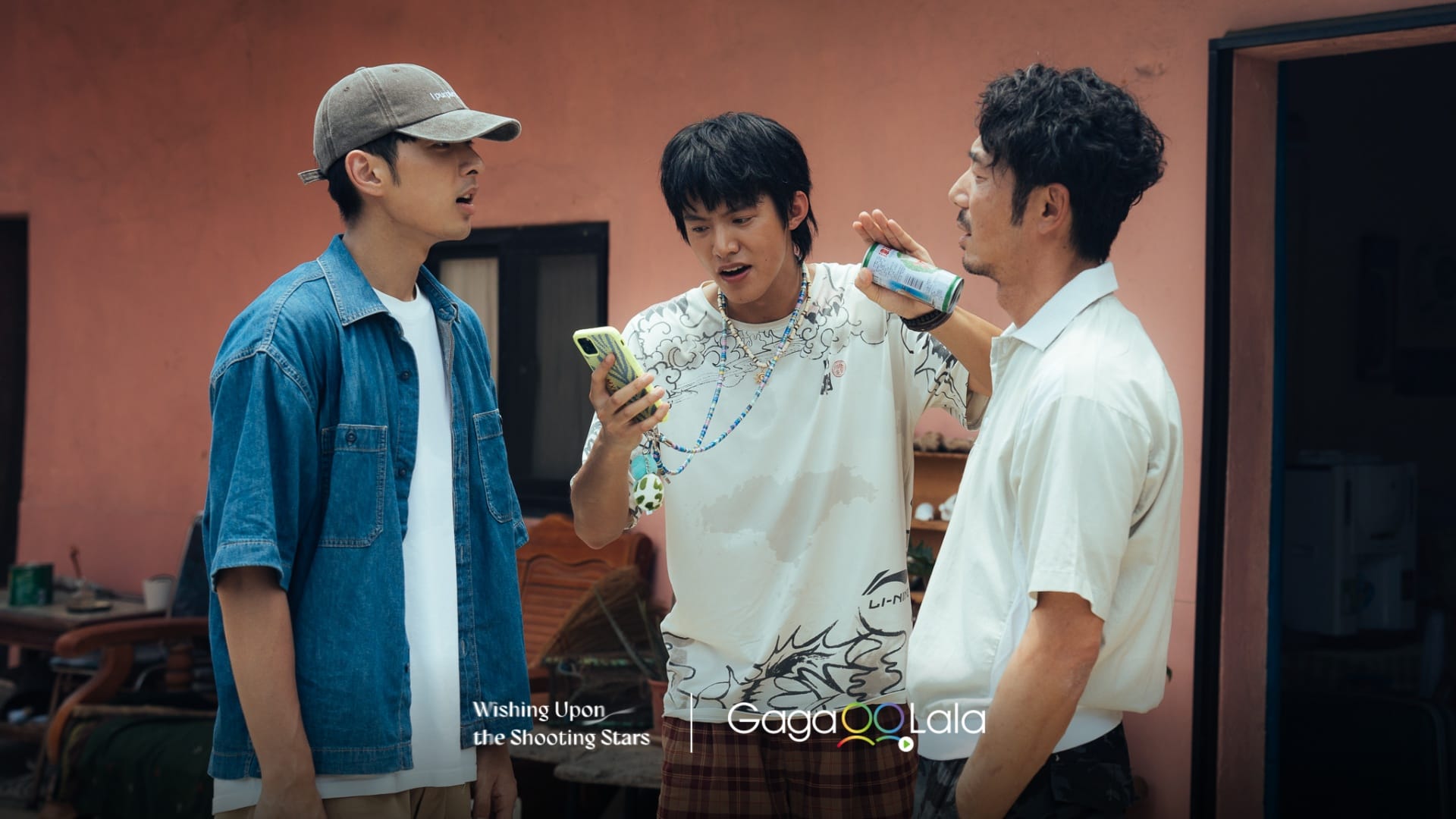
Q: How do you think this series portrays the way people hold on to each other, especially when the person you love is no longer the person you once knew?
JC: I think that even though Wishing Upon the Shooting Stars is telling us 'the right way to watch a shooting star is to accept that the wish will not come true,' it still leaves us with hope at the bottom of despair: 'The soul may forget, but emotions leave an imprint.'
That belief is what keeps Xiang Yong fighting to recover Hao Wei's memories, and everyone's memories of him.
Q: The two of you had worked together previously and built a strong rapport. When it came to actually filming the now-famous 'umbrella kiss' scene, were there any unexpected sparks?
JC: Physically, of course, I never imagined my lips would actually meet Da Chu's. But when the kiss actually happened, I felt surprisingly calm inside. We had always been so close in the way we interact, almost like family, and neither of us had ever set boundaries with each other.
As for sparks, the moment our tongues touched was a genuine surprise I had not anticipated for that scene. But thinking about it afterward, given how far Xiang Yong and Hao Wei's emotional arc had developed by that point, a deeper kiss was entirely natural [Laughs].
Upgrade to paid.
The full newsletter straight to your inbox
Part 4 | Actor Chu Meng-Hsuan (Chen Haowei)
How do you think this series portrays the way people hold on to each other, especially when the person you love is no longer the person you once knew?
Chu Meng-Hsuan: I think longing is born from misunderstanding. When you fall in love with someone, even the smallest misunderstanding can spiral into a storm of overthinking. None of it is intentional.
But I believe that even if two people forget each other completely and meet again for the first time, they would still be drawn to one another.
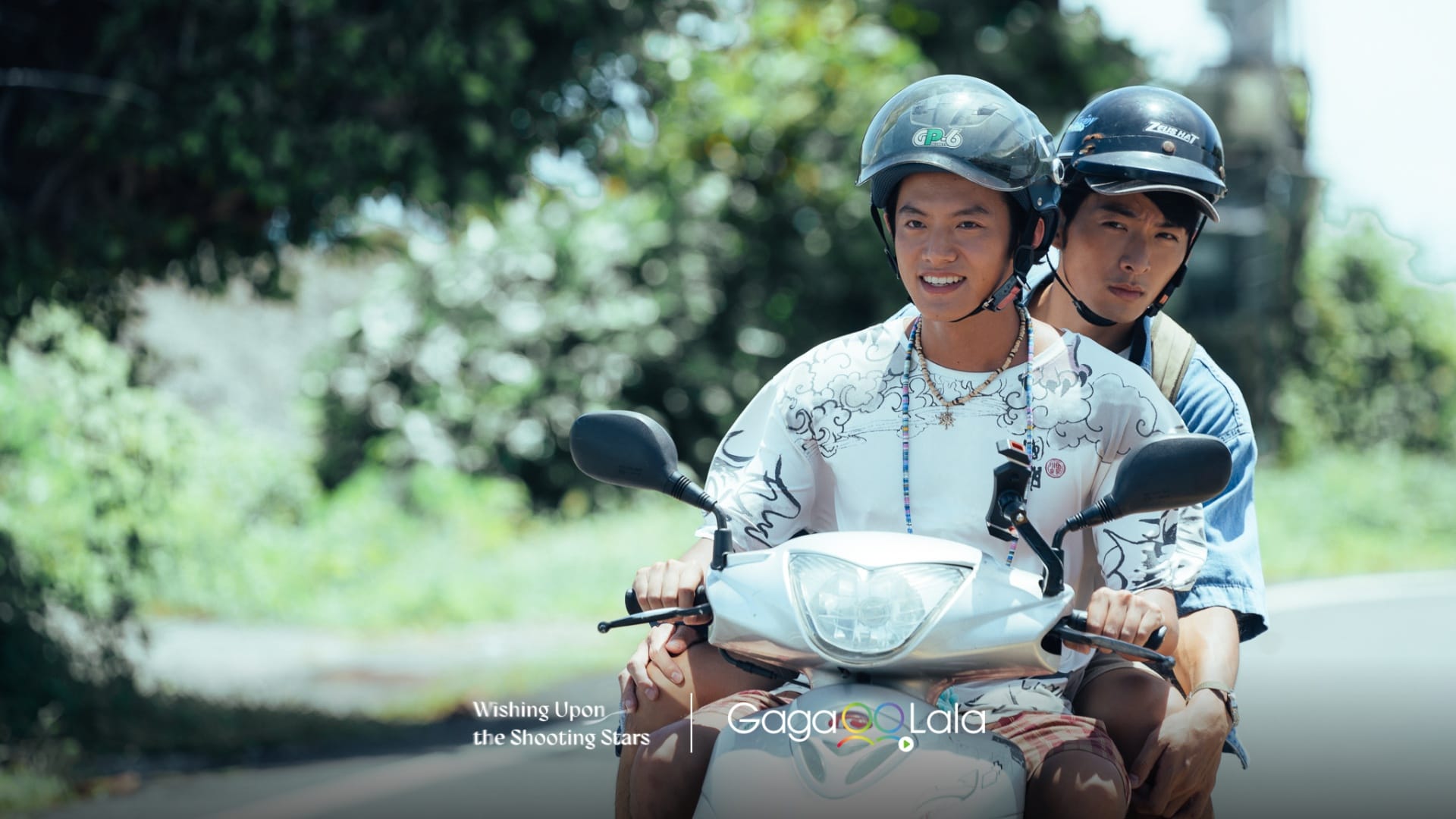
The two of you had worked together previously and built a strong rapport. When it came to actually filming the now-famous 'umbrella kiss' scene, were there any unexpected sparks?
CM: I believe the fact that we are genuinely friends made a huge difference in our performance. There has to be a certain kind of resonance between two people to make intimate scenes feel complete.
I hope everyone can feel the sense of something hard-won that we were trying to convey.
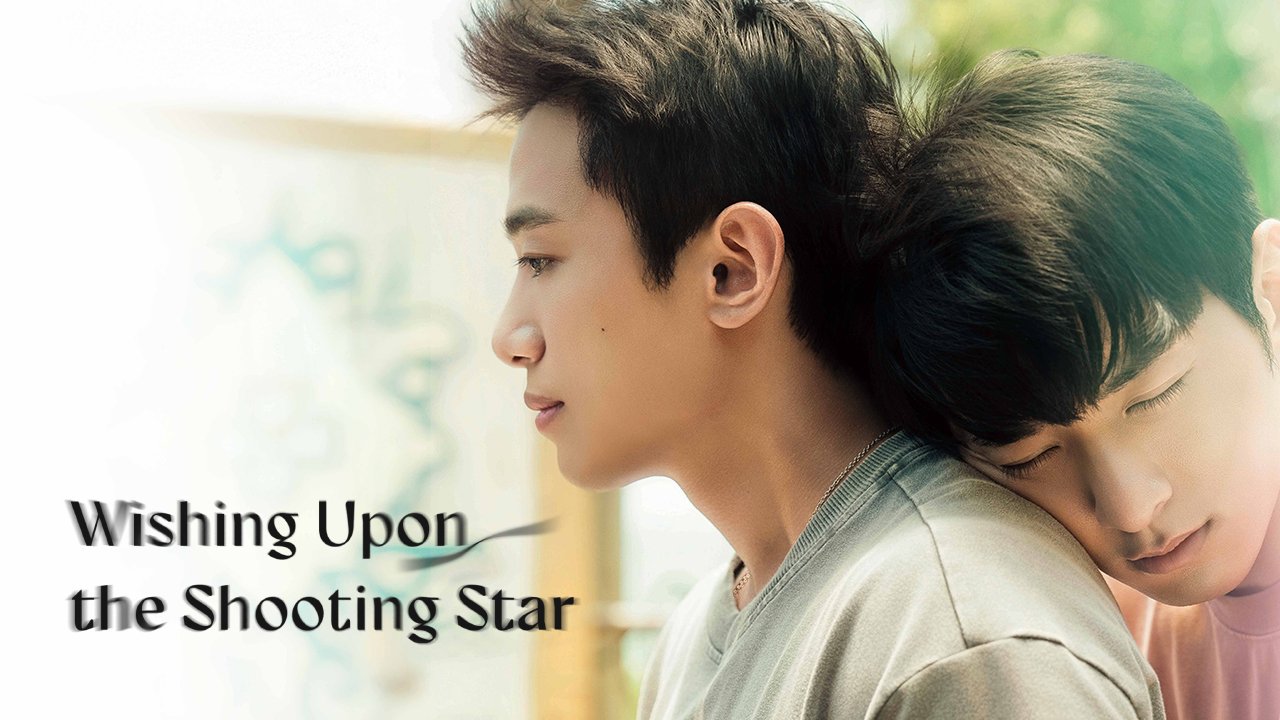
Watch Wishing Upon the Shooting Stars at GagaOOLala below.

Upgrade to paid.
The full newsletter straight to your inbox
And just like that, we've come to the end of Cruising Cinema today. As a thank you for making it this far, here's Jonathan Bailey with a reminder to drink your milk. See you next Tuesday!

Remember to share your own Queer Awakenings for future editions by replying to this email or via cruisingcinema7@gmail.com. And don't forget to follow the newsletter on Twitter here, Instagram here and Facebook here and Letterboxd here.
Thanks again, and please tell a few friends, family members, or exes who you need an excuse to get back in touch with. Subscribe now and support queer journalism!